
Hard Hats That Work with Safety Glasses, Earmuffs and Visors
- Posted on
- By SWSS
- 0
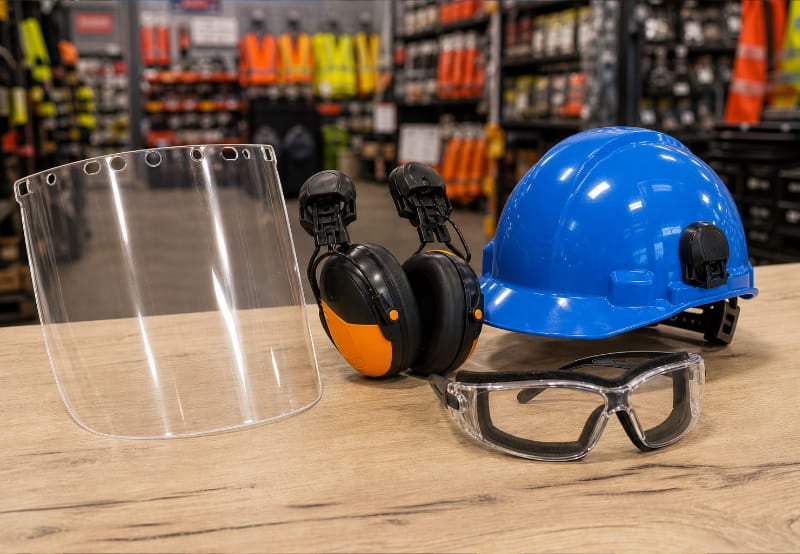 If your job requires a hard hat, purchasing the right hard hat is a part of the job but another part of the job is choosing safety accessories that work with it, and not against it.
A hard hat that only works by itself is a problem on a real site because most jobs that need a hat also need eye protection, hearing protection and face protection too.
If either of those accessories hinders each other, people usually take something off and it's usually the glasses or the ear protection. The hard hat obviously stays on because of the site rules but the others come off because it hurts, irritates, fogs or just won't clamp on right.
This article will help you find a hard hat that fits well with the rest of the accessories, and safety glasses that will sit correctly once the hard hat is on.
The Hard Hat That Works Efficiently
First buy the hat and then the accessories
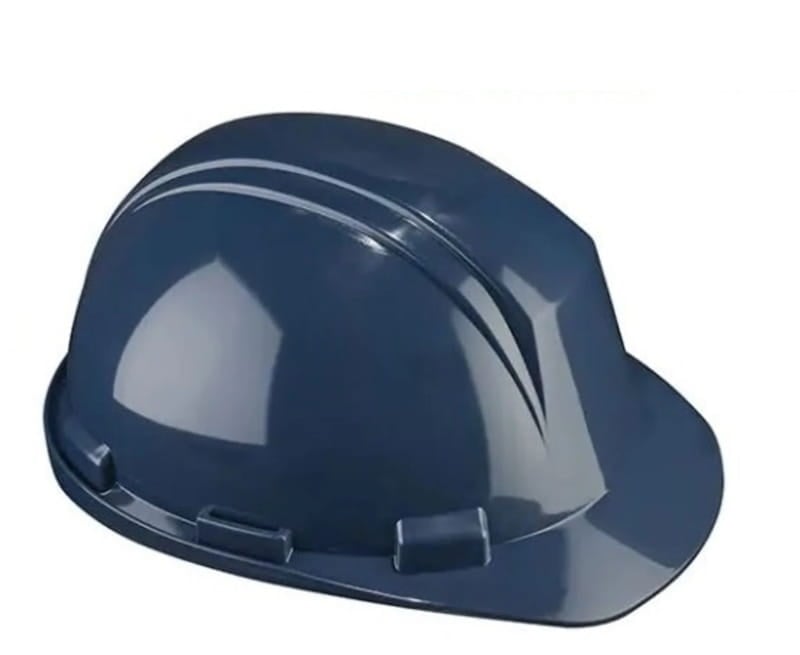 In Canada a hard hat has to have the right class of head protection. Look for CSA Z94.1 (you will also see ANSI Z89.1 on many of the same shells). Type 1 is top impact. Type 2 is top plus lateral and Class E is the usual electrical rating on industrial hats.
Examples already on the head protection shelf in our store include:
- Dentec Lidguard Type 1 and Type 2
- Dynamic Whistler Type 1
- Dynamic Mont-Blanc Type 2
- Dynamic Kilimanjaro full brim in Type 1 and Type 2
- Pyramex Ridgeline (front brim and full brim)
- MSA V-Gard
- Honeywell Fibre-Metal
Before you worry about colour or stickers, check two things. Get a ratchet suspension so you can put glasses and earmuffs on and off without fighting a pin-lock that is already cranked down.
Also make sure the hat has side slots, because that is where most cap-mount earmuffs and visor kits clip in. Without slots, you are stuck with over-the-head earmuffs that push against the brim and the glasses.
A full brim shades your neck and keeps water off your collar but it also needs earmuffs made for that shell. If your crew wears full brim hats, buy full-brim mounts such as Dynamic / PIP V3 cap-mount earmuffs. A regular cap-style mount will sit crooked and seal poorly.
Safety Glasses Under a Hard Hat
 Most of the time, the problem is the arms on the glasses. Thick, high temples can get shoved down by the sweatband or the ratchet which makes the frames slide, leave a gap at your brow, or dig into your cheeks. Once that happens, the lenses fog and people stop wearing them.
Look for low-profile temples that run straight back along the side of your head. For Ontario work, the glasses should be marked CSA Z94.3. You will still see ANSI Z87.1 on a lot of packaging, but that is not the same thing when the site asks for CSA. We go into that in the laws on wearing safety glasses in Ontario and in the top 3 brands of CSA-approved safety glasses.
If the hat and earmuffs trap heat, anti-fog lenses help. Foam-gasket glasses seal out dust better, but they also run warmer, so expect that. If you already wear prescription glasses, use overspecs instead of forcing street frames under the hat. That combination usually leaves gaps and gives you a headache by noon.
Put the hat and glasses on together and move around. Look left, look up, and shake your head. If the lenses drop or the arms pinch, pick a different pair. A chin strap, like a Milwaukee 2-point, helps when you are looking up a lot, but it will not fix glasses that do not fit under the hat.
Earmuffs on the Same Hat
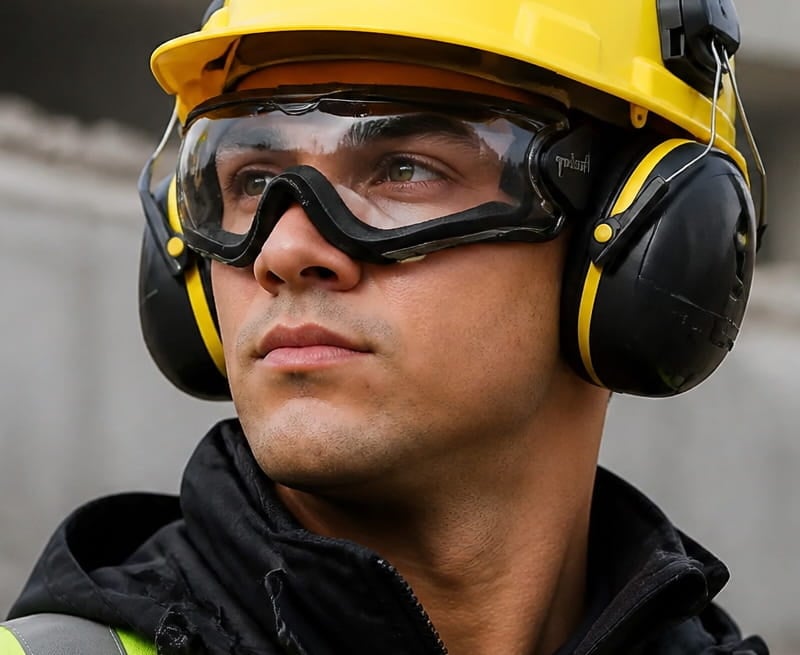 Cap-mount earmuffs clip into the hat slots and is usually the most efficient setup. On the shelf that includes Radians cap-mount dielectric muffs around 25 NRR, Honeywell Howard Leight VeriShield 120 cap-mount around 25 NRR, 3M Peltor cap-mount around 31 NRR, and Dynamic PIP V3 for full brim around 27 NRR.
Over-the-head muffs can work with a hard hat, but they often don't. The band fights the shell, and the cups crush the temples against your head. Neckband muffs, such as some Honeywell VeriShield models, sit behind the neck and leave the top of the hat free for a visor or welding helmet. Just check that the cups still seal when your glasses are on.
Around electrical work, use dielectric muffs with no metal running through the cups or band. The NRR on the box is a lab rating, and you lose protection if a thick temple is stuck under the cup. That is another reason thin temples matter.
If you need a radio, treat Bluetooth muffs like ISOTunes as hearing protection first. Confirm the NRR and whether they mount to the hat. Regular headphone shapes usually will not seal properly under a hard hat which is absolutely not optimal.
When muffs will not fit with the rest of the kit, earplugs are the simpler option. They do not fix the glasses problem, but they keep hearing protection in place. For more on muffs versus plugs, see hearing protection on a job site.
Visors and Face Shields
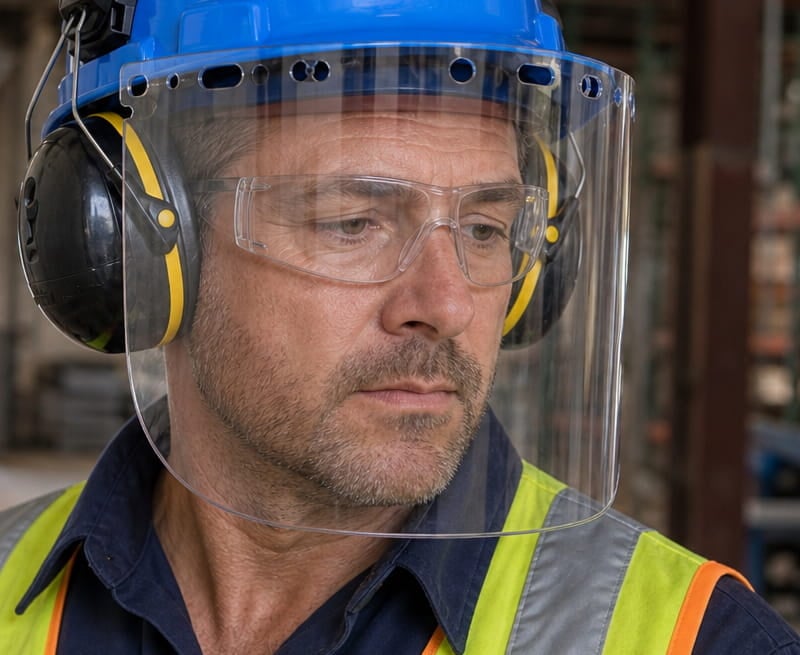 A visor gives you extra face protection and on most construction sites it does not replace CSA safety glasses, so keep the glasses on underneath for grinding and cutting.
Make sure the visor bracket and the earmuffs are not fighting for the same slots. Some hats will not run both at once, so you may need plugs or a different bracket. The visor also has to clear your frames without pushing the lenses into your face. Match the shield to the job: mesh for brush and chips, clear polycarbonate for grinding and splash and a welding helmet for welding.
Our head safety tips post covers visors and goggles in broader terms. The buying order is simple: choose a hat with slots, then a visor kit made for that shell, then glasses that still fit underneath.
Before You Buy a Box Put the Whole Kit Together
For most Ontario construction and industrial crews, start with a CSA Type 1 or Type 2 hard hat that has a ratchet and accessory slots.
Use Type 2 when side impact is part of the risk. Add CSA Z94.3 glasses with low temples, or over-specs if you wear prescription lenses.
Use cap-mount earmuffs that match front brim or full brim, and switch to plugs if the visor takes the slots.
Add a visor only when the work throws debris or splash, and leave the glasses on.
Fit the whole setup on one person before you buy cases of each item and remember, if it is uncomfortable in the store, it will likely come off on the job.
Comments
Be the first to comment...