
Always Wear Hearing and Ear Protection on a Job Site
- Posted on
- By SWSS
- 0
A lot of job sites are louder than you realize. There's lots of noise from power tools, saws, grinders, compressors, heavy machinery, alarms, impact tools, and so forth, all of which create enough noise to affect your hearing over time.
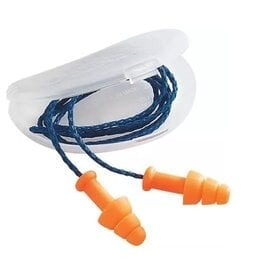 This is where hearing protection comes in. Proper hearing protection helps reduce the loud noise around you and can make a serious difference when you work around loud noises every day.
Even if you don't want to wear hearing protection, just be aware that once your hearing is damaged by repeated noise exposure, it may not fully come back.
Add Hearing Protection to Your Work Gear
Noise exposure is affected by volume and time. The louder the sound is, the less time it takes to become a risk.
This is why hearing protection should be treated as everyday job site gear, especially when you are working near equipment, engines, power tools, or enclosed spaces where sound bounces off hard surfaces.
Common Loud Noise Sources
Repeated exposure from tools and nearby work can still add up during the day. Here is a list of equipment and tools that cause the most noise pollution that could damage your hearing over time:
- Concrete saws, cut-off saws, and circular saws.
- Air compressors and pneumatic tools.
- Grinders, drills, and impact drivers.
- Heavy machinery, forklifts, loaders, and skid steers.
- Generators and pumps.
- Hammering, demolition work, and metal cutting.
- Backup alarms and warning signals.
- Work inside garages, warehouses, mechanical rooms, or enclosed structures.
On most job sites several of these sounds happen at the same time which makes the work area much louder than is safe for our ears, and it's not something that should be ignored.
Simply put: ear protection is an easy but very practical way to lower your exposure to loud sounds while still staying focused.
Hearing Damage Can Happen Slowly
 Noise-related hearing loss does not always happen in one sitting like when you're at an extremely loud concert for a few hours. It usually develops over time and after repeated exposure.
A worker might notice ringing in the ears after their shift or have trouble hearing regular conversations, or even need to turn up the volume on their phone more often.
At first, these changes are usually ignore but the problem is that small changes in hearing can become permanent when the ears are exposed to loud sounds again and again.
Earplugs and/or earmuffs substantially reduce that daily strain.
Early Signs Your Ears Are Being Affected
If you notice changes to your hearing during or after work you should take it seriously. These signs don't always mean permanent damage has already happened, but it's definitely a reason to start using better hearing protection and review the noise around you.
Here are some signs your hearing is starting to get affected:
- Your ears ring after using tools or machinery.
- Speech sounds muffled after a shift.
- You need people to repeat themselves more often.
- You have trouble following conversations in noisy rooms.
- You need to turn up the volume on your phone, the truck radio or the television more often.
- You feel pressure or discomfort after being around loud noise.
If you're noticing any of these issues with your hearing, you need to do two things: 1. visit your doctor if the effects are being intense, and start wearing hearing protection ASAP.
What Can Be Used For Ear Protection Around Loud Work
The right product should lower harmful sounds and still allow workers to pay attention on the job site. You should select the product based on the task, the noise level, and how often protection needs to be removed and put back on.
Earplugs
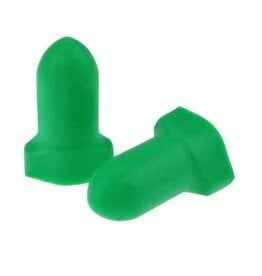
Earplugs are small, light, and easy to carry. People usually choose disposable foam earplugs because they are quite affordable and work well in loud environments.
Reusable earplugs are a good option too for protection throughout the day. Just remember to lightly clean them before each time you wear them. 3M has a great document here that gives you the basic instructions for cleaning them.
Just make sure they fit comfortably and that you inset them properly. They come with basic instructions for how to roll, insert, and hold foam plugs in place long enough for them to expand inside the ear canal.
Earmuffs
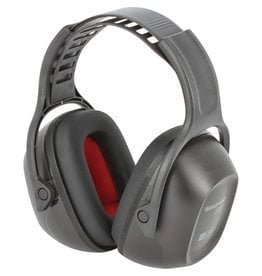 Earmuffs are easy to put on and take off so they're often used for workers that regularly move in and out of loud areas or need protection for short but loud repeated tasks.
Earmuffs provide a proper seal around the ear but take note that safety glasses, hats, hair, hoodies, or other PPE can sometimes interfere with that seal so you have to be careful.
If the seal is broken, more noise can reach the ear.
Choosing the Right Hearing Protection for the Task
Different tasks may need different protection. For example a worker that uses a grinder for a short repair may prefer earmuffs. Someone working near machinery for most of the day may prefer reusable earplugs.
Some workers that work in extremely loud environments choose to wear both earplugs and earmuffs together, depending on the workplace noise assessment and safety requirements.
What to Consider Before Buying Ear Protection
This list helps workers choose protection that fits the job:
- How loud the task is.
- How long workers are exposed to the noise.
- Whether the worker needs earplugs, earmuffs, or both.
- Whether safety glasses, hard hats, or face shields affect the fit.
- Whether the protection is comfortable enough for regular use.
- Whether workers need disposable or reusable options.
- Whether communication and warning sounds can still be heard clearly enough.
If you work in Brantford and need hearing protection for yourself or your crew, visit Southwest Safety & Supply for more worksite safety supplies, PPE, work clothing, first aid supplies, and other products used by local workers and businesses.
Comments
Be the first to comment...