
Work Clothes to Wear During Bitter Cold Winters
- Posted on
- By SWSS
- 0
During bitter cold winters the wrong work clothing can make your workday miserable and dangerous. When you're doing work outside during the winter, you need gear that works, can endure freezing weather and can keep you warm when the temperature drops well below zero.
Apply Numerous Layers
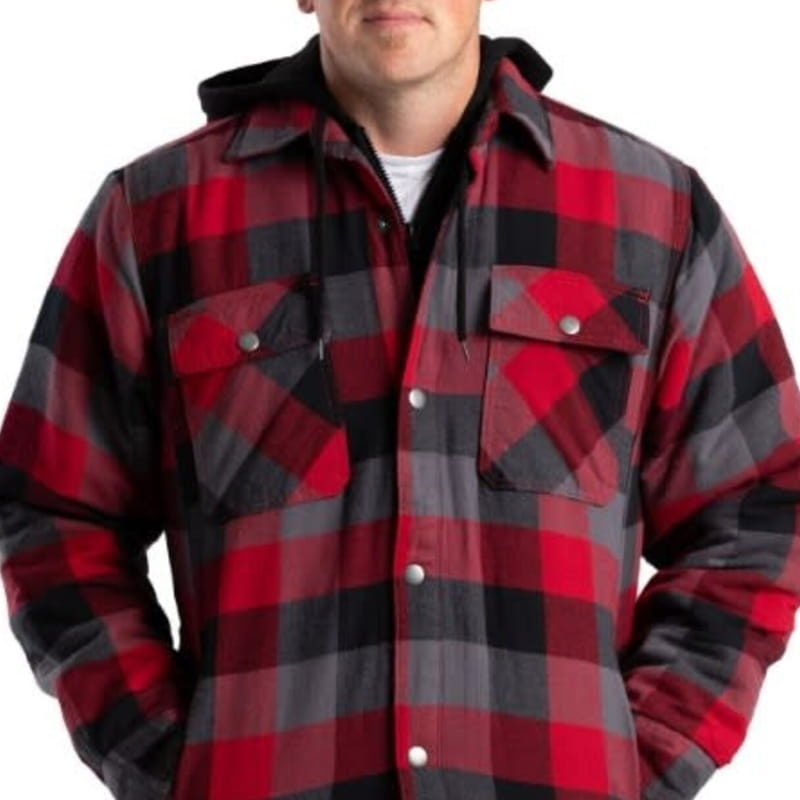 The main key to long-term warmth is layering clothes. You have to go beyond the Berne Heritage Duck Jacket and instead properly apply layers so you can trap in heat and repel the moisture.
Here's a good system to follow to stay warm while working outdoors:
Base layer
Wear a moisture-wicking thermal shirt and leggings to keep sweat off your skin and trap warmth close to your body. Choose merino wool where possible or synthetic fabrics like polyester which are both better than cotton.
Mid-layer
Throw on a tight fitting long sleeved shirt to compliment the affects of the first layer and then wear a fleece quilted vest or insulated hoody. These help retain body heat and add a thick barrier between you and the cold air. Choose pieces that allow you to move freely while still giving solid insulation.
Outer layer
Choose a wind and waterproof work jacket that keeps out snow, rain, and the harsh wind to ensure your body temperature doesn't drop. Go with something that has sealed seams and a lined hood if you're working in extreme conditions.
Finish with a heavy-duty work jacket that's insulated and built for movement. One with storm cuffs, a high collar, and a hood is ideal. If your job requires high visibility look for reflective gear with thermal lining. We have a whole selection of winter work wear you can choose from that are built to keep you warm during the harshest weather.
Gloves, Hats, and Face Protection
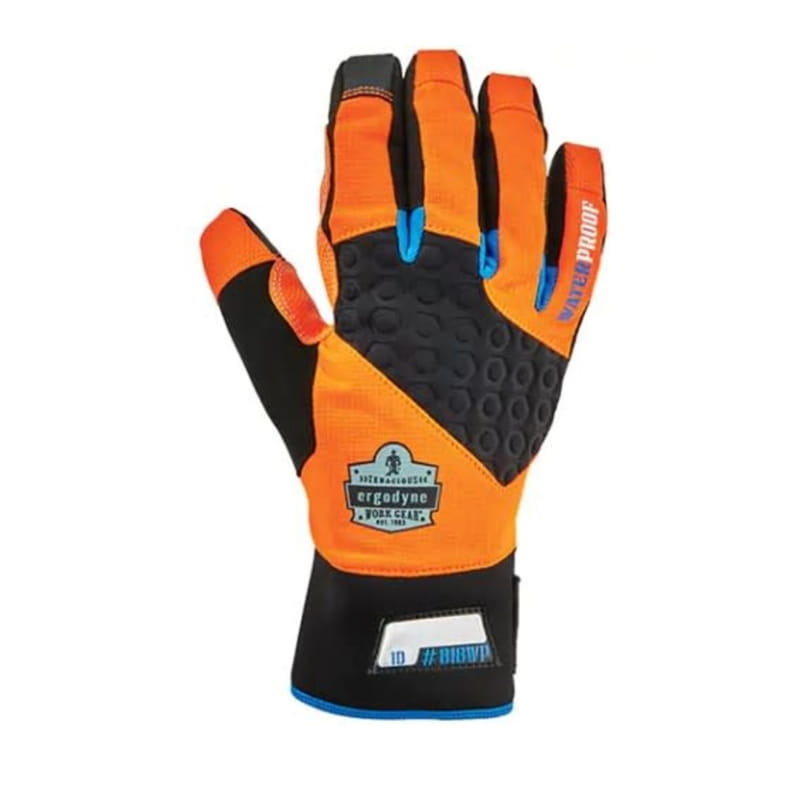 Be aware that exposed skin gets hit the hardest in extreme cold and frostbite can come on fast without you know it. When you're working outside for hours, your fingers, ears, and face need extra care.
Suggested winter work gear for extremities:
Gloves
Choose highly insulated waterproof work gloves. You can choose a pair that comes with liners you can replace or liners you can remove depending on conditions.
Hats
Wear a fleece or wool toque that covers your ears and the back of your neck. If your hard hat allows wear a thermal liner underneath too.
Neck and face
Use a balaclava, neck gaiter, or face mask to protect your nose and cheeks from windburn and frostbite.
Keeping your hands and face warm will substantially help retain your internal temperature and prevent long-term cold damage which lets you work longer without having to stop to warm up.
Wear Warm Socks and Layer if You Can
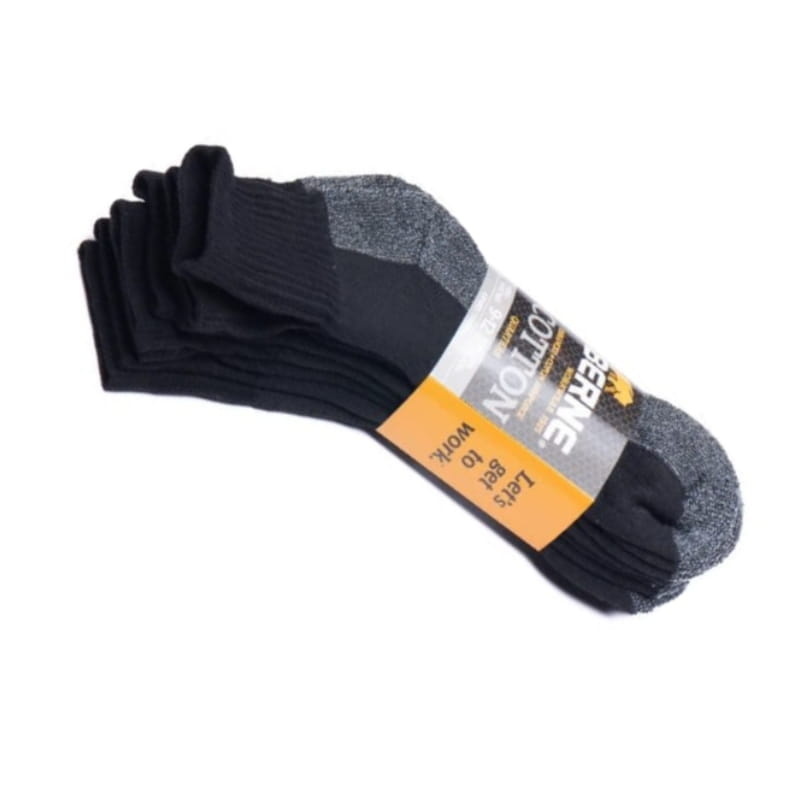 If you work outside you know your feet take a beating in the winter. They're stuck in heavy boots, they sweat and feel like they're freezing all the time.
To completely avoid this, start with a thin, moisture-wicking liner sock and then add a thick wool or thermal outer sock. You can check your feet a few times a day to see if they're getting too damp and then replace the lining sock if necessary.
Remember, tight boots can be bad news in the winter. Instead of restricting the circulation in your feet with tight boots, choose boots that fit firmly and feel completely comfortable. Try them on first and wear them for about ten minutes for testing. If they're too tight, go for a smaller pair.
Working outside in the cold is dangerous. Every year in Canada, outdoor workers suffer from frostbite and other injuries because they underestimate how they can set in when your extremities aren't properly insulated.
Work Boots That Hold Up in the Cold
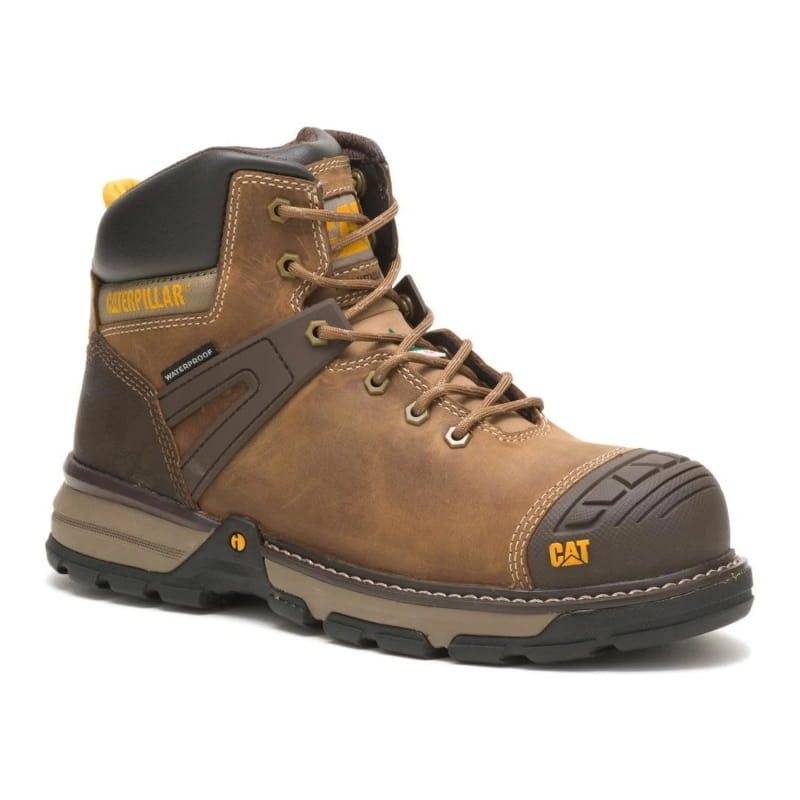 In these harsh Canadian winters insulated waterproof boots are a must. You need boots rated for at least -30°C or colder, especially if you stand still a lot. If the job calls for steel-tow boots, make sure they're properly lined so the cold metal next to your toes won't freeze your toes.
For the best winter work boots look for:
- Removable liners (so you can dry them out at night).
- Slip-resistant soles for ice and snow.
- Enough room to move your toes, even with thick socks.
- Insulation rated for freezing temperatures and long hours.
- Waterproof outer material to block out slush, snow and freezing rain.
- A lacing system that keeps the boot secure without restricting blood flow.
- Lightweight composite toe protection if your job requires it.
You can't cheap out when it comes to winter work boots. Cold, wet feet will ruin your day fast and put your in real danger than anything else.
What to Avoid Wearing While Winter Working
Just as important as what you wear is what you should not wear while working outdoors in the winter:
- Cotton because it stays wet once it absorbs sweat or snow.
- Tight clothes that reduce circulation and make your hands and feet feel colder faster.
- Fashion outerwear that's not built for job site wear and won't hold up to tough weather conditions.
- Steel accessories or tools worn close to the body can absorb cold and transfer it to your skin.
- Old boots with thin soles or cracks that let moisture in.
- Loose gloves that don’t seal at the wrist.
- Socks without insulation or sweat-wicking material.
When you're shopping for proper winter work wear, make sure to talk to the clerk of the store so they can help you make the right choice.
And if you work outside and are enduring this harsh Brantford winter, remember that paying a little extra for quality clothing is smart. Doing so ensure you have products that last longer and can keep you safe and warm until the days of working in a t-shirt come again!
Comments
Be the first to comment...