
Why You Should Wear a Hardhat For DIY Home Jobs
- Posted on
- By SWSS
- 0
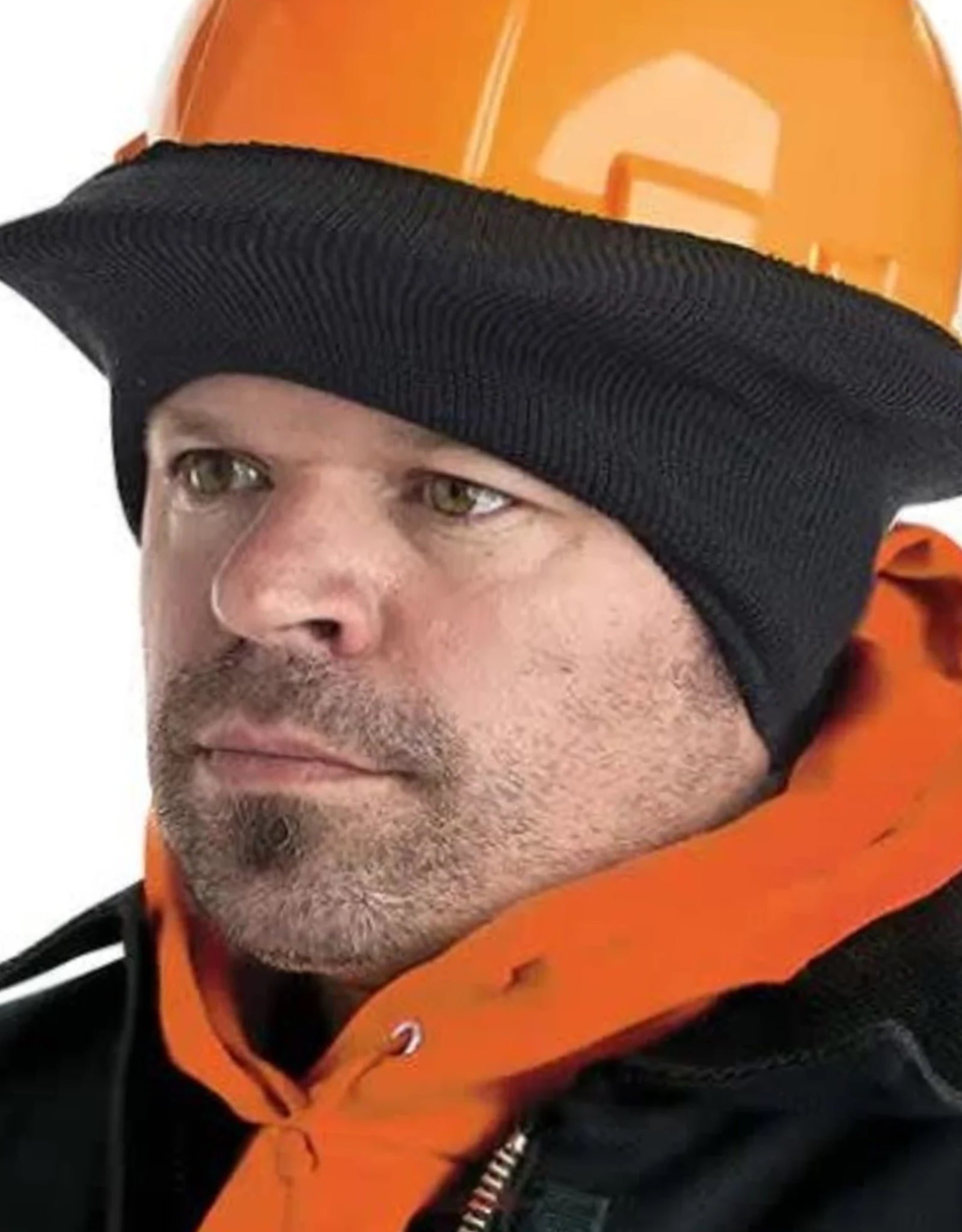 The bottom line is head injuries can happen if you're on a commercial site or in your own garage. What changes at home is the mindset: you may rush, you might work if you're tired, sometimes you take shortcuts, and you don't control the space the same way you would on a job site.
Most of the time people don't skip a hardhat because they think safety is dumb. They skip it because the job feels small and there's no one to tell them to wear one. You're out there tearing out a little section of drywall or swapping light fixtures and there's no heavy machinery and no foreman watching so it feels like real hazards don't apply, but they do.
Ask yourself: have you ever injured your head while doing a DIY job from home? You probably answered yes and the bottom line is a hardhat is cheap insurance against the kind of mistake that happens once and without warning and unfortunately happens all the time at home.
Where the Risks Really Are
With DIY work you're often working above your head. That's exactly when a hardhat matters because whatever you're working on can fall. Even a small tool or a chunk of drywall can hit your head hard enough to injure you, and in the worst cases make you fall off the ladder.
Common DIYs where hardhats should be worn
Working under someone or something else
The risk lies in what is dropped. If they lose balance or shift their weight, you're the one directly below and you won't have time to react. A hardhat also helps if they bump the ladder or a tool swings down. Any kind of sudden impact is exactly what can cause injury and knocks you off balance.
Removing ceiling drywall, plaster, lath, or old insulation
Because wall and ceiling material often breaks off in sheets and pieces it can suddenly fall on top of your head. Falling wall and ceiling debris can also kick up dust and grit, so a hardhat protects your head from sharp edges and keeps you from taking a painful hit that could make you lose your balance on a ladder.
Cutting or prying overhead
Overhead work like working on joists, nails, soffit panels, ducting and strapping puts your face and scalp in the line of fire because tools can slip and fasteners can release with a snap instead of a gentle pull. Even if it's just a single piece of equipment that comes loose, it can hit you hard and fast especially when you're already up on a ladder.
Using a step ladder in tight rooms
When the room you're working in is cramped and your only way out is down the ladder, that's exactly when a bump to the head can turn into a dangerous fall and injury. If you're wearing a hardhat it will take the sting out of the hit so you're clear enough to safely walk down the ladder.
DIY home demolitions
Hard and dense materials around the home don't just crumble softly if you're doing some type of demolition. They fall down with heavy and sharp edges that can cut you or rattle you enough to lose your footing. In this case a hardhat gives you a layer of protection against the impact of sharp corners that tend to show up when tile, backer board, or old plaster breaks loose.
Chain-sawing or lopping branches
When working outside on trees, branches don't always fall straight down. Sometimes they twist or bounce or kick off sideways and can come and hit you in the head. There's always going to be a branch that's under tension or tangled in other limbs that can go flying the moment you let go.
Working with overhead storage
Vibrations from sawing and hammering can shake loose whatever's sitting on the shelves and it's usually the heavy stuff that comes down first. There's always going to be one bin, board, or tool that was sitting on the edge a little too long and you won't notice until it's already on the way down.
Moving sheet materials
When moving sheet material corners and edges can be dangerous because one person's small adjustment can swing a sharp corner into your head before you can call it out. There's always a moment where you're turning through a doorway or around a tight corner and the sheet shifts quicker than you expect.
You've probably already had a small hit at home
If you've ever had a screw, nut, or tape measure bounce off your head, you already get the idea. Now scale that up to something heavier and you're dealing with a real risk of serious injury instead of a quick laugh and a sore bruise.
A hardhat isn't a magic shield but it's designed to reduce the force of an impact and help prevent cuts and puncture wounds. Wearing one changes how you work and makes you more aware of your overhead environment. That alone prevents accidents.
Pick a Hard Hat That's Comfortable
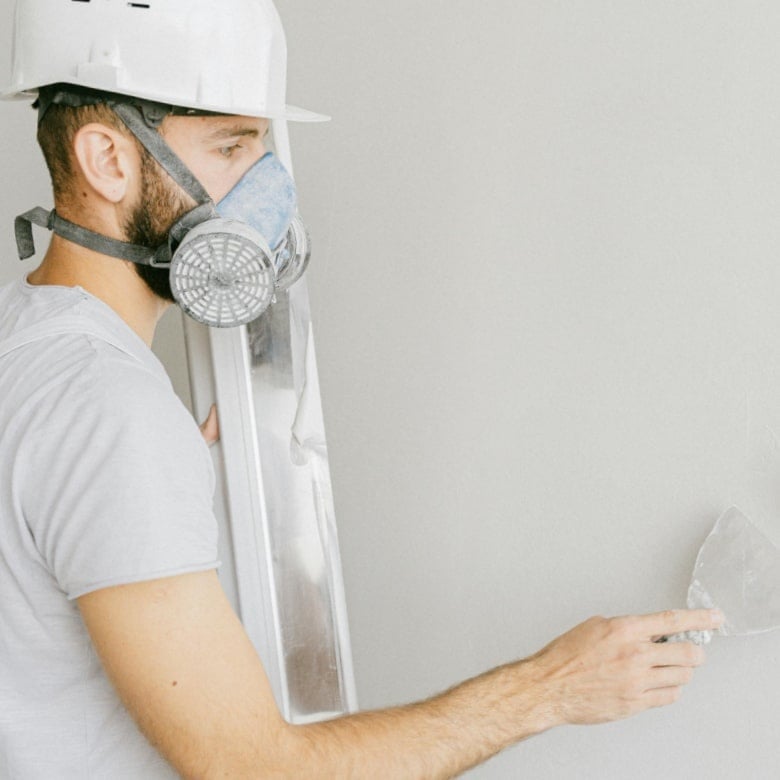 If the hardhat is uncomfortable, you'll probably avoid wearing it. If it fits well it becomes an unconscious part of a DIY kit like safety glasses do.
What to look for and how to wear it properly
- Buy a certified hardhat and look for recognized safety markings.
- Pick an adjustable suspension system that absorbs impact.
- Fit it so it sits level and doesn't rock when you look up or bend down.
- Use the chin strap if you're working overhead, climbing, or moving around a lot.
Pair your hard hat with eye protection when cutting or demoing overhead to stop eye impacts and flying dust.
The goal is simple: protect the one part of your body you can't walk off if it gets severely hurt.
Comments
Be the first to comment...